
Last updated 24 August 2026·Quotcha editorial team — built from real Australian quote data
In this guide
The most common complaint about plumbers is not the hourly rate. It is discovering, after the job, that the first hour cost $250 when the quote said $120 an hour. That is the call-out fee, and how it is structured decides whether a small job costs $180 or $420.
In 2026 a licensed plumber charges $110 to $180 an hour across Australian capital cities, plus a call-out or attendance fee of $80 to $150 that usually includes the first 30 to 60 minutes. Emergency and after-hours work runs $200 to $350 for the first hour. Here is how those numbers combine on real jobs, and how to read a plumber's pricing before you book.
Plumber hourly rates by city in 2026
Standard weekday rates for a licensed plumber, excluding materials and GST:
- Sydney: $130 to $180 an hour
- Melbourne: $120 to $170
- Brisbane and Gold Coast: $110 to $160
- Perth: $115 to $165
- Adelaide: $105 to $150
- Canberra: $125 to $175
- Regional areas: $100 to $140, but travel is often charged
Apprentices and trade assistants are billed at $60 to $90 an hour when they attend alongside a licensed plumber. A two-person crew on a big job should show two rates, not double the licensed rate.
The call-out fee, explained
Almost every plumber charges something to attend. The structures you will see:
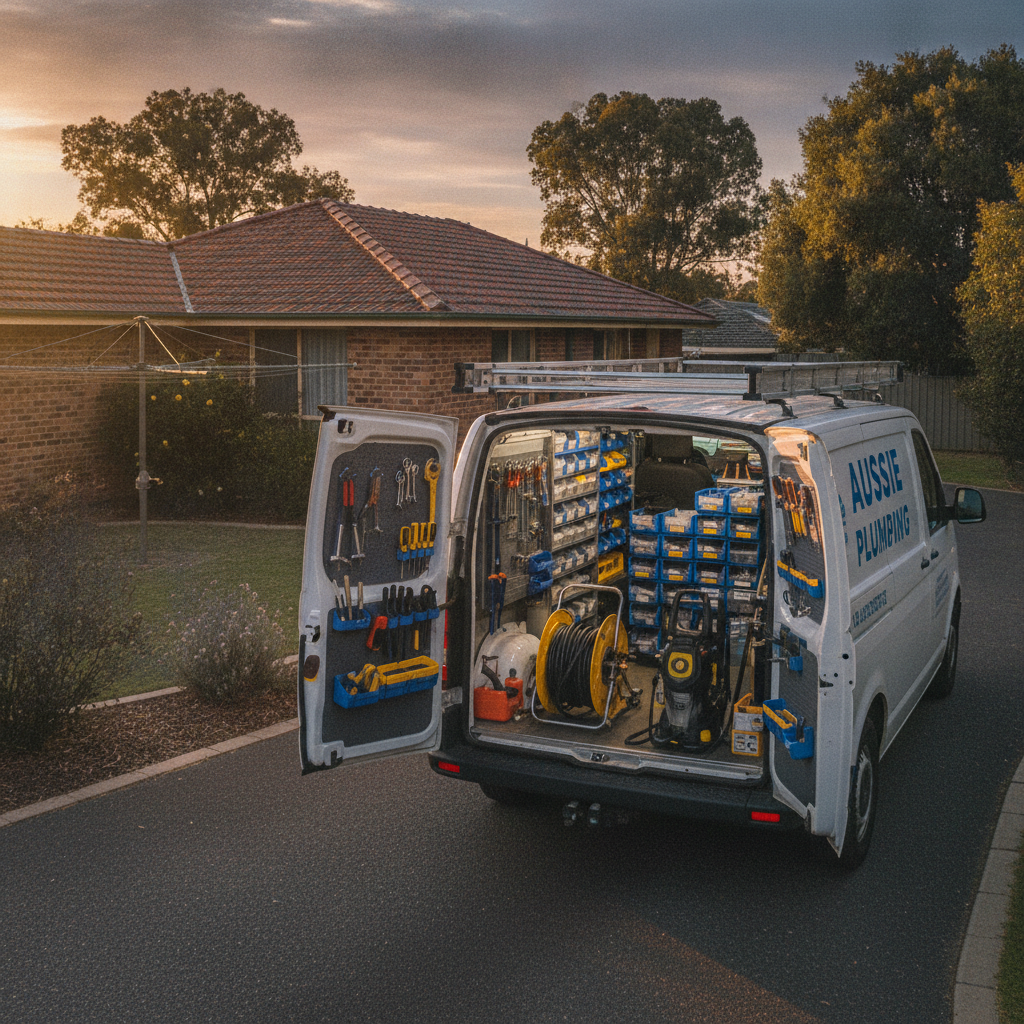
Call-out fee plus hourly rate. A fixed $80 to $150 to attend, then time on the clock. Common for larger companies with branded vans. The fee covers travel and the first 15 to 30 minutes in most cases; read the fine print.
First hour rate, then per 15 minutes. A higher first hour ($180 to $250) that includes attendance, then a standard rate billed in 15 minute blocks. Fair for short jobs, expensive if the plumber rounds up.
Fixed price per job. Increasingly common for routine work: a blocked drain, a tap replacement, a toilet cistern. You know the price before they start. The trade-off is that fixed prices carry a margin for the jobs that run long, so a simple job can cost more than it would on time.
Free quote, no attendance fee. Usually offered on jobs over a few hundred dollars where the plumber expects to win the work. Ask whether the quote visit is free if you do not proceed.
None of these is dishonest. What matters is that the structure is stated before the plumber arrives, and that the invoice matches it.
What common jobs actually cost
Total price for typical residential jobs, including call-out and labour, excluding major parts:
- Blocked drain, simple (plunger or hand auger): $180 to $350
- Blocked drain, jetter or camera required: $300 to $600, with camera inspection $150 to $300 on top if quoted separately
- Leaking tap, washer or cartridge replacement: $150 to $280
- Tap replacement (supply new mixer): $250 to $450 plus the tap
- Toilet cistern repair or inlet valve: $180 to $320
- Toilet replacement (supply and install): $450 to $900 plus the toilet
- Burst pipe, accessible, small section: $300 to $700
- Hot water system fault diagnosis: $150 to $280, often credited against a repair
- Gas appliance connection (cooktop, heater): $250 to $500
- Backflow prevention device test (annual): $150 to $250
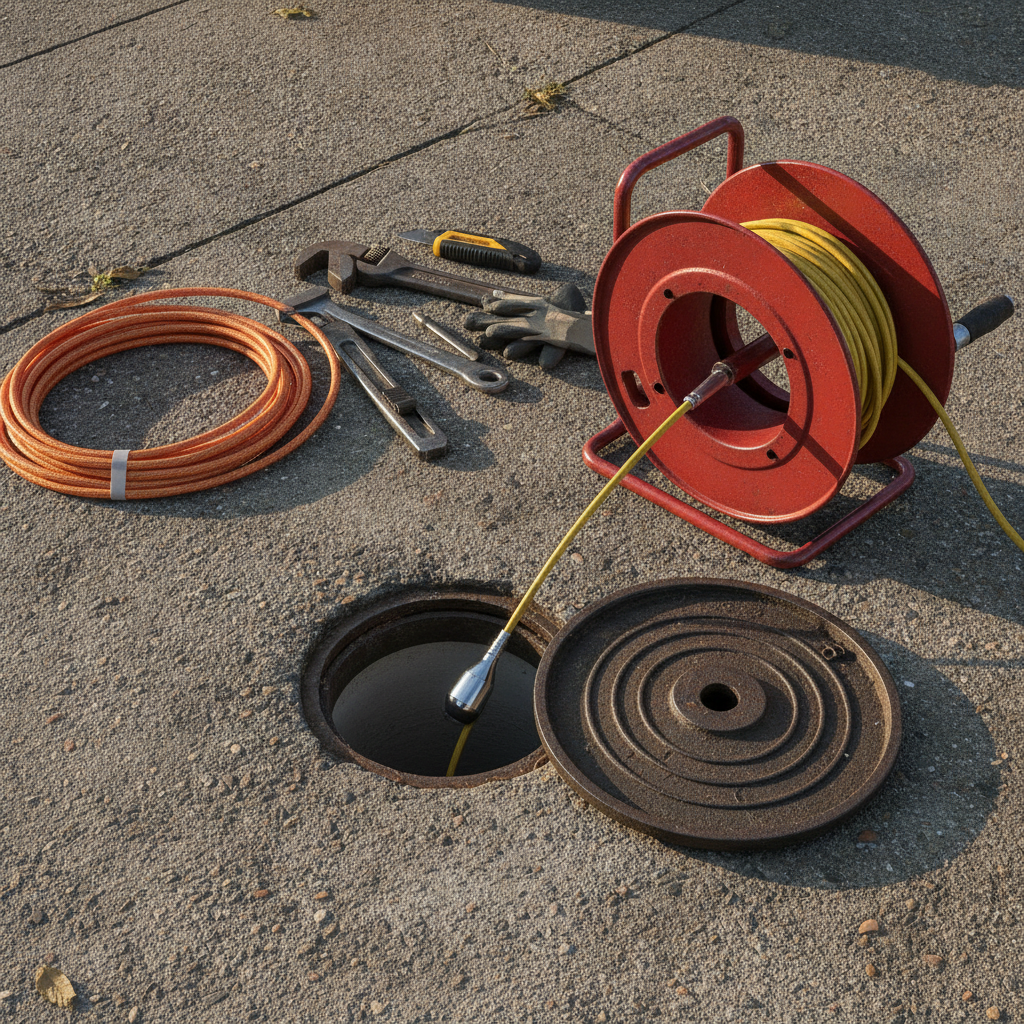
A blocked drain is the job with the widest spread. A kitchen sink blocked with grease is a 30 minute plunger job. A sewer line blocked by tree roots needs a high-pressure jetter, a CCTV camera to find the break, and possibly excavation. The plumber cannot know which one it is until they arrive, which is why most quote a diagnosis price and then a fixed price for the fix.
Get a quote in your suburb
See real prices for jobs like this in your area — we use actual quote data from local tradies.
Emergency and after-hours pricing
After 5pm, on weekends and public holidays, expect:
- After-hours call-out: $150 to $250 to attend
- After-hours hourly rate: $180 to $300, often with a one-hour minimum
- Public holiday: up to double the standard rate
A burst pipe flooding the kitchen at 9pm is worth the premium. A dripping tap is not. If the water can be isolated at the mains and the problem contained, book a weekday slot and save $200 or more.
Know where your water meter and mains stop valve are before you need them. It is the difference between an emergency and an inconvenience.
How to read a plumber's quote
The things that separate a fair quote from an expensive surprise:
- Is the call-out fee stated, and does it include any labour time? "$95 call-out includes first 30 minutes" is clear. "$95 attendance fee" with hourly charged from arrival is a different price.
- What is the billing increment? Per 15 minutes is standard. Per hour, rounded up, means a 65 minute job costs two hours.
- Are materials marked up? A 20 to 30 percent markup on parts is normal and covers sourcing and warranty. 100 percent is not.
- Is GST included? Quotes to homeowners must show a GST-inclusive price. "Plus GST" surprises on the invoice are a red flag.
- Is there a minimum charge? Many plumbers have a one-hour minimum. Reasonable, but it should be disclosed.
- Who pays for a return visit if a part has to be ordered? Usually no second call-out fee; confirm it.
Ask for the licence number as well. Plumbing, drainage and gasfitting are licensed in every state, and the public registers (NSW Fair Trading, VBA in Victoria, QBCC in Queensland, Building and Energy in WA) show whether the licence is current and covers the work being done. A plumber without a gasfitting endorsement cannot legally connect your cooktop.
When fixed pricing beats hourly
Fixed pricing suits jobs with a known scope: replacing a toilet, installing a tap you supply, an annual backflow test, a like-for-like hot water swap. You get certainty and the plumber carries the risk of the job running long.
Hourly suits diagnosis and repairs where nobody knows the scope until the wall is open. A fixed price on an unknown job will be priced for the worst case.
The best plumbers offer both: a fixed diagnosis fee, then a fixed price for the repair once they know what it is. That structure means the surprise is the fault, not the invoice.
Cheaper is not always cheaper
The lowest hourly rate can produce the highest bill if the plumber is slow, under-equipped, or has to come back. A $110 an hour plumber without a jetter who spends two hours with a hand auger on a root-blocked sewer costs more than a $160 an hour plumber who clears it in 45 minutes and shows you the camera footage.
Judge on total price for the outcome, the plumber's licence and insurance, and whether the quote was clear before the work started.
The bottom line
A standard weekday plumber visit for a small repair should land between $180 and $350 all in. If the invoice is well beyond that for a simple job, look at how the call-out fee and the first hour were structured; that is almost always where the difference is. And for anything over a few hundred dollars, a second quote costs nothing.
Frequently asked questions
What is a fair call-out fee for a plumber?
A call-out or attendance fee of $80 to $150 is normal in 2026 and usually includes the first 15 to 30 minutes on site. Some plumbers instead charge a higher first hour of $180 to $250 that includes attendance. Either is fine as long as it is stated before they arrive; the problem is a fee you only discover on the invoice.
How much does a plumber charge per hour in Australia?
Licensed plumbers charge $110 to $180 an hour on weekdays, with Sydney at the top of the range and Adelaide and regional areas at the bottom. Apprentices attending with a licensed plumber are billed at $60 to $90 an hour. After hours and weekends, expect $180 to $300 an hour with a one-hour minimum.
How much does it cost to unblock a drain?
A simple blockage cleared with a plunger or hand auger costs $180 to $350 all in. A sewer line blocked by tree roots that needs a high-pressure jetter and a camera inspection runs $300 to $600, with the camera sometimes quoted separately at $150 to $300. The plumber usually cannot tell which it is until they arrive.
Is it cheaper to get a fixed price or pay hourly?
Fixed pricing suits jobs with a known scope, such as a toilet replacement or a tap you supply, because the plumber carries the risk of it running long. Hourly suits diagnosis and repairs where the scope is unknown. The best structure for an unknown fault is a fixed diagnosis fee followed by a fixed price for the repair once they know what it is.
Do plumbers charge more on weekends?
Yes. After 5pm, on weekends and public holidays expect a call-out of $150 to $250 and an hourly rate of $180 to $300, often with a one-hour minimum, and up to double rates on public holidays. If you can isolate the water at the mains and contain the problem, waiting for a weekday slot typically saves $200 or more.
How do I check a plumber is licensed?
Every state has a public register: NSW Fair Trading, the Victorian Building Authority, QBCC in Queensland, and Building and Energy in WA. Search the licence number on the quote and confirm it is current and covers the work. Gas work needs a separate gasfitting endorsement; a plumber without it cannot legally connect a cooktop or gas hot water unit.